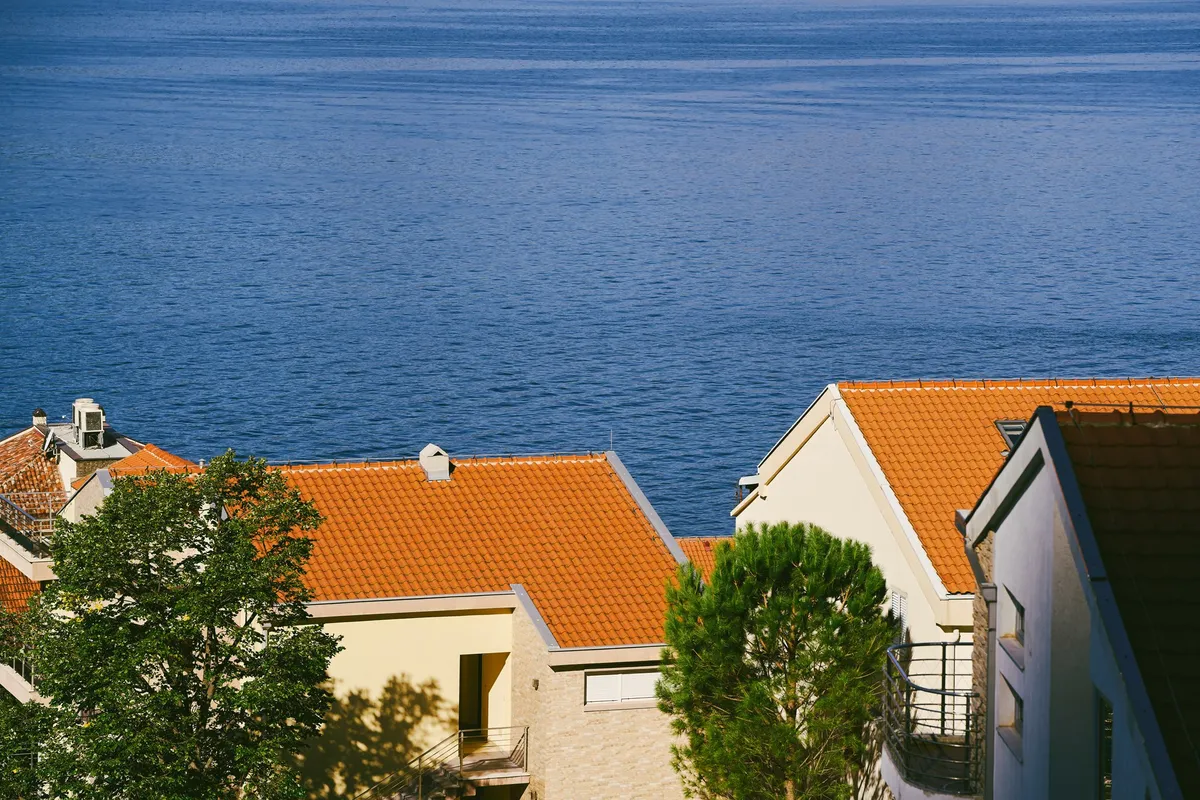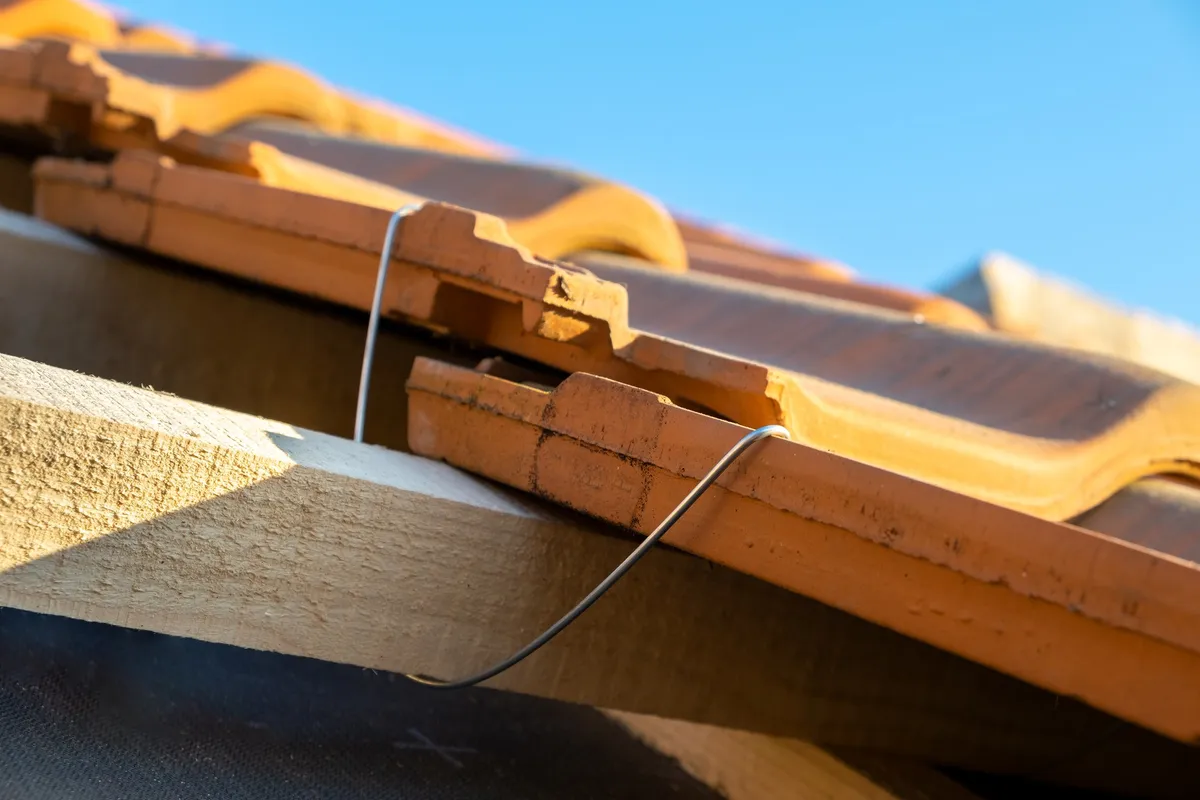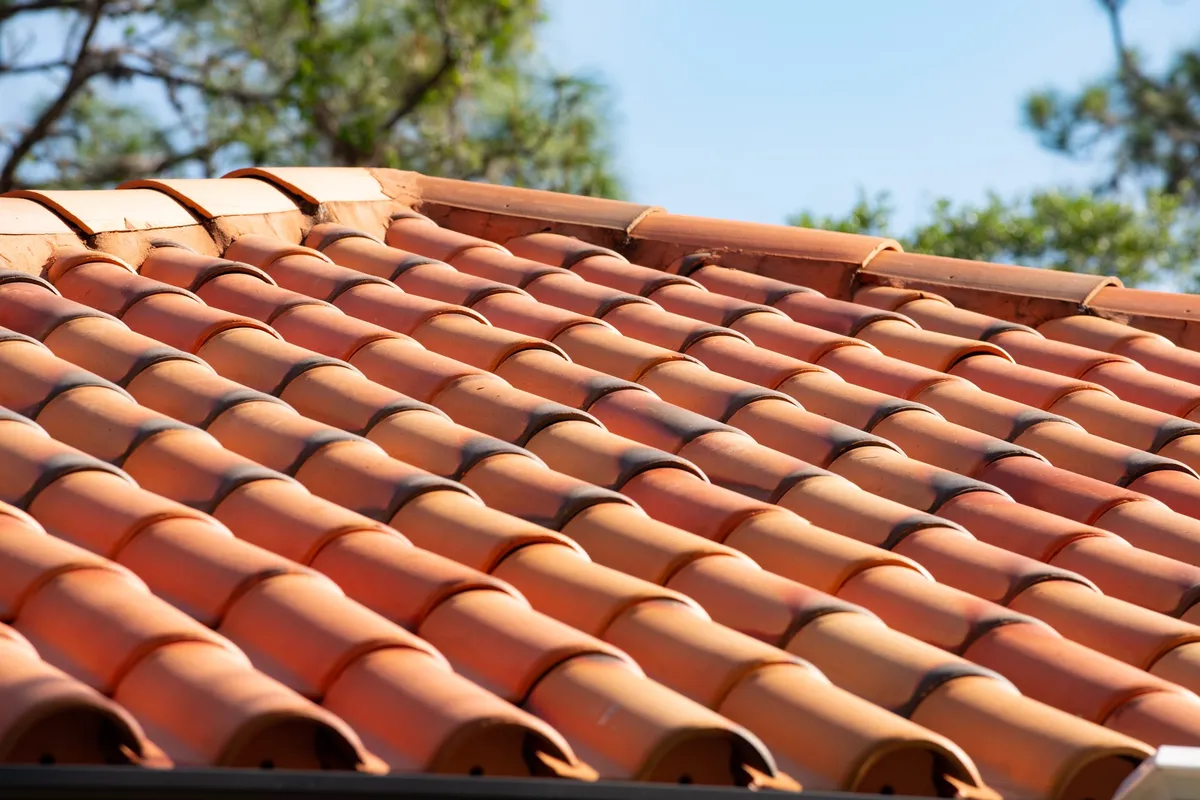
When it comes to roofing options in Oceanside, CA, clay and concrete roof tiles are two popular choices that homeowners often consider. Each type has its own unique benefits and challenges, making it essential to understand their differences before making a decision. This article will explore the characteristics, durability, aesthetics, and cost factors associated with each roofing material, helping you make an informed choice for your coastal home.
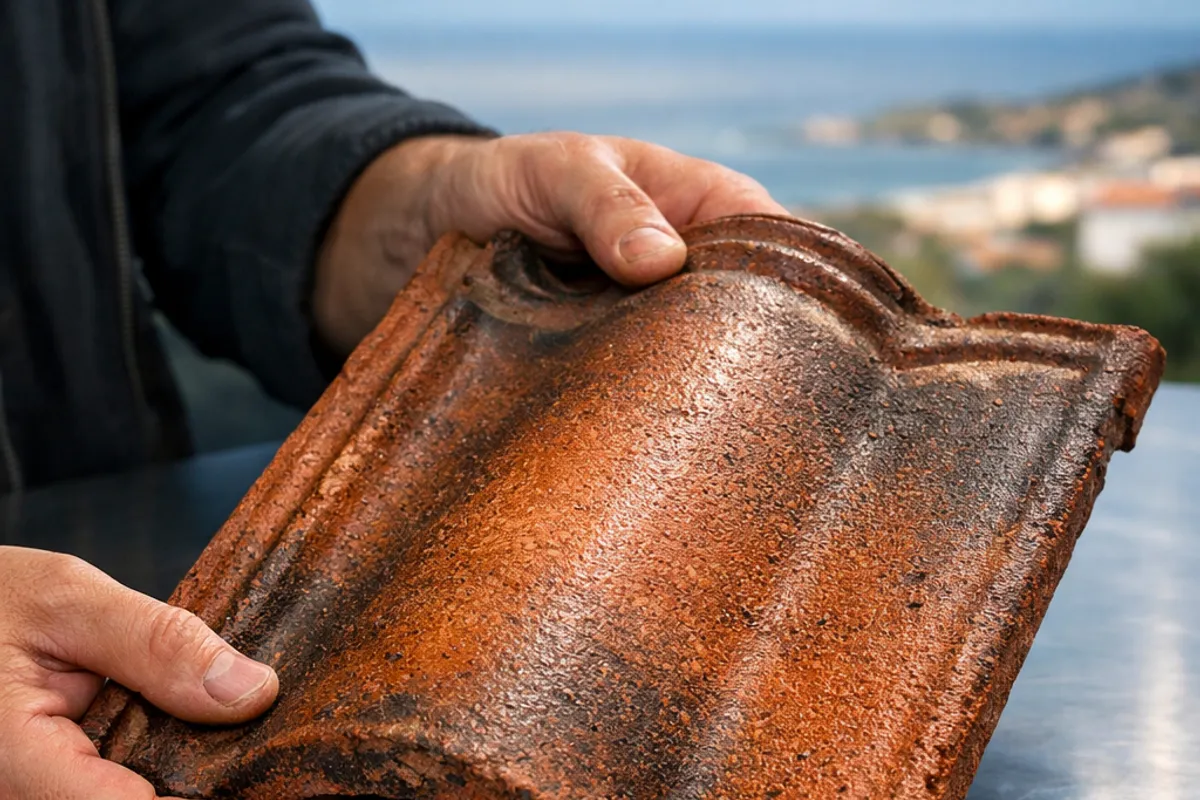
The Aesthetic Appeal: Clay vs. Concrete Roof Tiles
One of the most significant factors in selecting a roofing material is its appearance. Clay tiles are often sought after for their traditional, timeless look. They come in various colors and styles, allowing homeowners to create a distinctive architectural style that complements the coastal environment. The natural earth tones and textures of clay can enhance the overall curb appeal of your property.
Concrete tiles, on the other hand, offer versatility in design. With advanced manufacturing techniques, concrete tiles can mimic the look of clay, slate, or even wood, providing a wide array of aesthetic options. While they may not have the same classic charm as clay, concrete tiles can still be visually appealing and adaptable to modern architectural styles.
In Oceanside, where coastal aesthetics are paramount, choosing between these two materials often comes down to personal preference. Homeowners should consider how each option aligns with their vision for their home’s overall look.
Durability in Coastal Conditions
Living by the coast presents unique challenges for roofing materials, including salt exposure, high winds, and moisture. Clay tiles are known for their impressive durability. They are resistant to fading and can withstand harsh weather conditions, making them a long-lasting choice for coastal living. Clay tiles are also fire-resistant, providing an added layer of safety for homeowners.
Concrete tiles are equally resilient, but they have their strengths. They tend to be heavier than clay, which can be an advantage in high-wind areas, as they are less likely to be dislodged. Concrete tiles also have a lower absorption rate than clay, making them less prone to moisture damage. For Oceanside residents, both materials can withstand the coastal elements, but the choice may depend on specific preferences regarding maintenance and longevity.
Cost Considerations: Budgeting for Your Roof
When budgeting for a new roof, cost is always a significant factor. Generally, clay tiles are more expensive than concrete tiles. The higher price is often attributed to the manufacturing process and the raw materials used. However, clay tiles typically offer a longer lifespan, which can offset the initial investment over time.
Concrete tiles tend to be more budget-friendly, making them an attractive option for homeowners looking to save upfront costs. While they may not last as long as clay tiles, their durability and lower maintenance requirements make them a practical choice for many in the Oceanside area.
It’s essential to consider not just the initial costs but also the long-term value of your investment. Investing in a quality roofing material can lead to fewer repairs and replacements down the line, ultimately saving you money.
Maintenance and Upkeep: What to Expect
Understanding the maintenance requirements of each roofing option is crucial for homeowners. Clay tiles are relatively low-maintenance. They do not require frequent painting or sealing, and their natural resistance to pests and rot means you won’t have to worry about infestations. However, it’s essential to conduct periodic inspections to check for any damage or debris buildup.
Concrete tiles also require minimal maintenance, but they may need occasional cleaning to prevent moss or algae growth, especially in damp coastal areas. Regular inspections will help ensure that your roof remains in good condition and can prolong its lifespan.
Ultimately, the maintenance commitment may influence your decision between clay and concrete tiles. Homeowners who prefer a more hands-off approach might lean toward clay, while those looking for a cost-effective option may find concrete tiles to be a suitable alternative.
Making the right choice for your roofing needs is essential in Oceanside’s unique coastal environment. Whether you opt for the classic elegance of clay or the versatile durability of concrete, both materials can provide a beautiful and functional roof for your home. For more insights on roofing options and services available in your area, consider reaching out for expert advice tailored to your specific needs.
Frequently Asked Questions
What are the main aesthetic differences between clay and concrete roofing materials?
Clay tiles are often preferred for their traditional and timeless appearance, coming in various colors and styles that enhance the coastal environment. In contrast, concrete tiles offer versatility, as they can mimic the look of other materials like slate or wood, making them adaptable to modern designs. Ultimately, the choice depends on personal preference and how each option fits with your home’s overall look.
How do clay and concrete tiles perform in harsh coastal weather?
Clay tiles are known for their durability, being resistant to fading and capable of withstanding harsh weather conditions, including high winds and moisture exposure. Concrete tiles are heavier, which can be beneficial in windy areas, as they are less likely to be dislodged. Both materials are suitable for Oceanside’s coastal climate, but your specific priorities regarding maintenance and longevity may influence your choice.
What should I consider when budgeting for a new roof?
Clay tiles typically come with a higher upfront cost due to their manufacturing process and materials, but they offer a longer lifespan that can justify the investment over time. Concrete tiles are generally more budget-friendly, making them a good option for homeowners looking to save upfront. It’s important to weigh the initial costs against the long-term value, including potential repair and replacement expenses.
What maintenance is required for each type of roofing material?
Clay tiles require relatively low maintenance, needing only periodic inspections for damage or debris buildup, thanks to their natural resistance to pests and rot. Concrete tiles also have minimal maintenance needs but may require occasional cleaning to prevent moss or algae growth, especially in damp areas. Regular inspections for both types are essential to prolong their lifespan and ensure they remain in good condition.
Which roofing option is more fire-resistant?
Clay tiles have a natural fire-resistant quality, making them a safer choice for homeowners concerned about fire hazards. While concrete tiles also offer some level of fire resistance, clay is generally regarded as superior in this respect. If fire safety is a priority for your home, clay tiles may be the better option to consider.
Get Directions to Roofing Oceanside
🎧 Listen to this as a podcast
Also on Apple Podcasts, Spotify, and Amazon Music.