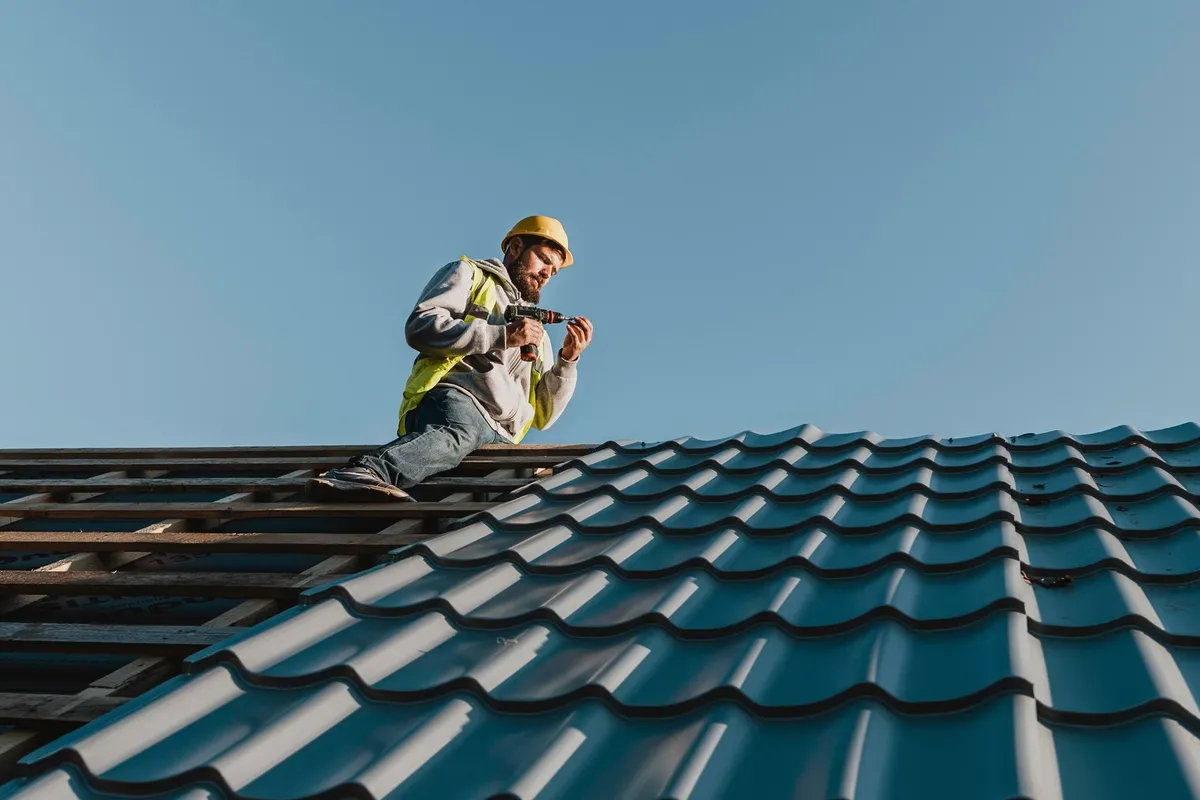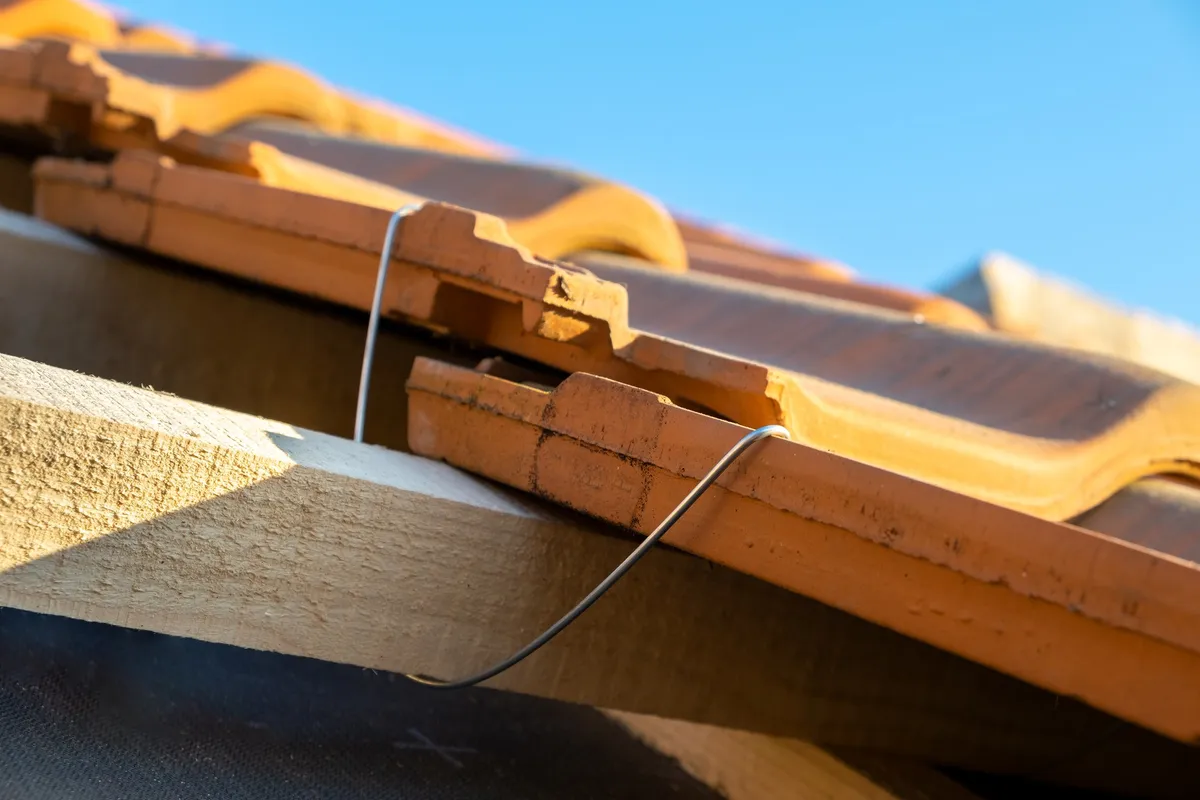
In Oceanside, CA, understanding the roof underlayment lifespan is crucial for homeowners looking to protect their properties from the unique coastal challenges we face. The underlayment acts as a barrier against moisture and wind, making it a vital component of any roofing system. With our local climate, it’s essential to know how long this protective layer will last and what factors influence its durability.
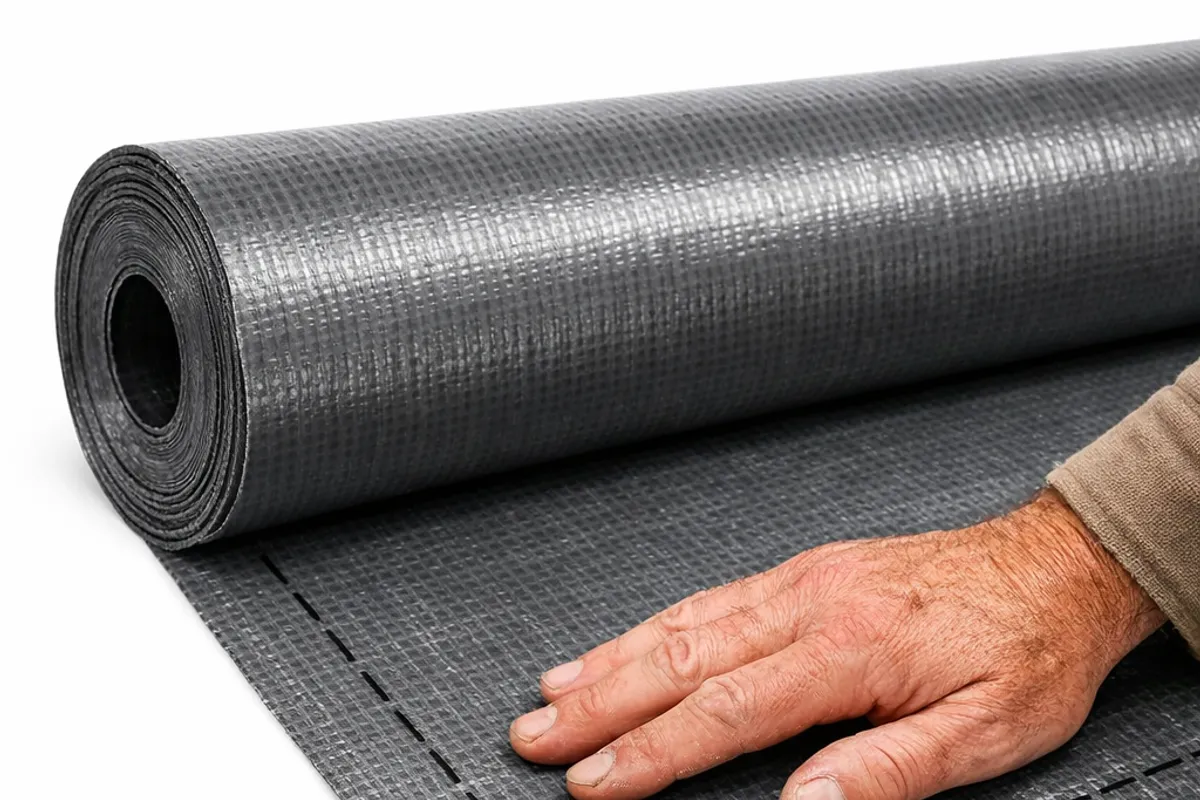
Understanding Underlayment: What You Need to Know
Roof underlayment is typically made from materials such as felt, synthetic products, or rubberized asphalt. Each type has its own lifespan and performance characteristics. For instance, felt underlayment can last around 15 to 20 years, while synthetic options may extend that lifespan to 25 years or more. The choice of material significantly affects not just how long it lasts, but also how well it performs under various weather conditions.
In a coastal area like Oceanside, the impact of salt air and moisture can accelerate wear and tear. It’s important to select a high-quality product that is specifically designed for coastal environments. Homeowners often overlook this aspect, assuming all underlayments are created equal. Choosing wisely can save you from costly repairs down the road.
Factors that Affect Lifespan
Several elements can influence how long your underlayment will last. First, the quality of the installation plays a significant role. If the underlayment is not installed correctly, it may not perform as intended, leading to premature failure. Secondly, exposure to the elements is a major factor; intense UV rays, high winds, and moisture can all degrade materials over time.
Another critical aspect is the ventilation of your roofing system. Proper ventilation helps to regulate temperature and moisture, reducing the risk of damage to the underlayment. If you notice any signs of wear, such as curling or cracking, it’s advisable to consult with a local roofing expert to assess the situation and consider a roof inspection.
Signs It’s Time for an Upgrade
As a homeowner, being proactive about your roof’s maintenance can save you time and money. Here are some signs that your underlayment may be nearing the end of its useful life:
- Water Stains: If you spot water stains on your ceiling or walls, this could indicate a leak in your roofing system.
- Mold Growth: Mold or mildew in your attic or on your roof’s underside can signal moisture issues that may be related to your underlayment.
- Visible Damage: Look for any visible signs of wear, such as tears or holes, especially after strong winds or heavy rains.
Being aware of these signs can help you address potential problems before they escalate. It’s always a good idea to consult with local roofing professionals who understand the unique needs of homes in Oceanside.
Making the Right Choice for Your Home
When it comes to selecting underlayment for your roof, it’s essential to consider both the material and the installation process. Investing in high-quality underlayment can pay off in the long run, especially in a coastal environment where the elements can be unforgiving.
Consulting with experts familiar with the specific challenges of roofing in Oceanside can provide invaluable insights. They can help you choose the best materials and ensure proper installation, contributing to the longevity of your roof system. For more information on maintaining your roof’s health, consider checking out our article on coastal roofs.
Frequently Asked Questions
How long can I expect my roof’s underlayment to last in Oceanside?
Depending on the material you choose, the underlayment can last anywhere from 15 to over 25 years. Felt underlayment typically lasts around 15 to 20 years, while synthetic options can extend that lifespan significantly. It’s crucial to select a product designed for coastal conditions to ensure it withstands the local climate.
What factors can shorten the life of my roof underlayment?
The quality of installation is a major factor; improper installation can lead to issues like premature wear. Additionally, exposure to intense UV rays, high winds, and moisture can degrade materials over time. Ensuring proper ventilation in your roofing system also plays a key role in maintaining the underlayment’s integrity.
What signs indicate I need to replace my underlayment?
Look for water stains on ceilings or walls, as they can indicate leaks in your roofing system. Mold or mildew growth in the attic or visible damage like tears and holes after severe weather are also red flags. Addressing these signs early can prevent more significant damage and costly repairs.
Is it worth investing in high-quality underlayment?
Yes, investing in high-quality underlayment can pay off in the long run, especially in a coastal area like Oceanside. Quality materials are designed to withstand the unique challenges posed by salt air and moisture, which can lead to better performance and longevity. Consulting with local experts can help you make the best choice for your home.
How can I ensure my underlayment is installed correctly?
Hiring experienced local roofing professionals is the best way to ensure proper installation. They understand the specific challenges of roofing in Oceanside and can follow best practices to maximize the underlayment’s effectiveness. Regular inspections can also help catch any installation issues early.
Get Directions to Roofing Oceanside
🎧 Listen to this as a podcast
Also on Apple Podcasts, Spotify, and Amazon Music.