When it comes to maintaining a home in Oceanside, CA, the expertise of local roofers is invaluable. Coastal roofs face unique challenges due to the salty air, high winds, and the occasional heavy rain that comes with living by the coast. Understanding these factors can help homeowners make informed decisions about their roofing needs.

Understanding the Coastal Climate’s Impact on Roofing
Living in a coastal area like Oceanside means that the environment can take a toll on your roof. Salt from the ocean can corrode materials over time, leading to premature wear and tear. Additionally, the high winds common to coastal regions can displace shingles or even cause structural damage if the roof isn’t designed to withstand such conditions.
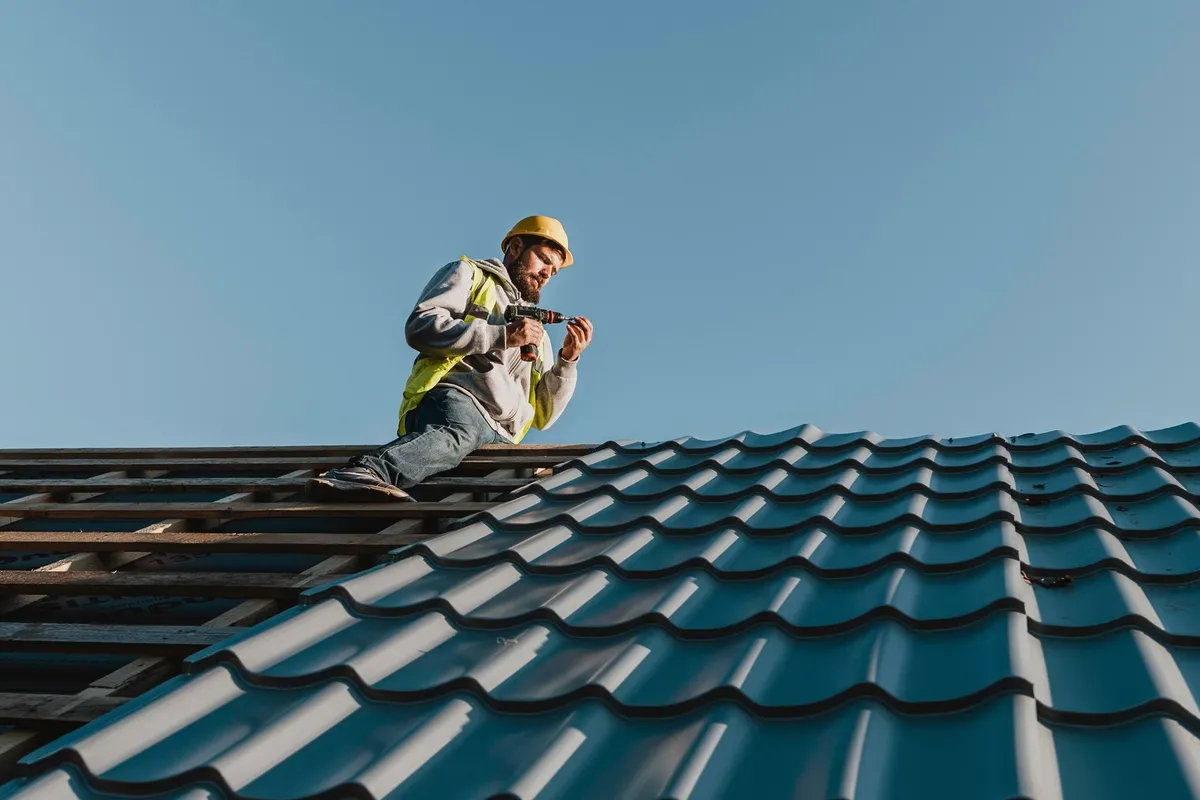
When selecting roofing materials, it is essential to consider options that can endure this harsh environment. Metal roofs, for example, are often recommended for coastal homes due to their durability and resistance to corrosion. Local experts can provide insights on the best materials tailored to the specific weather patterns of the area, ensuring your roof remains sturdy and reliable.
Choosing the Right Roofing Materials for Coastal Homes
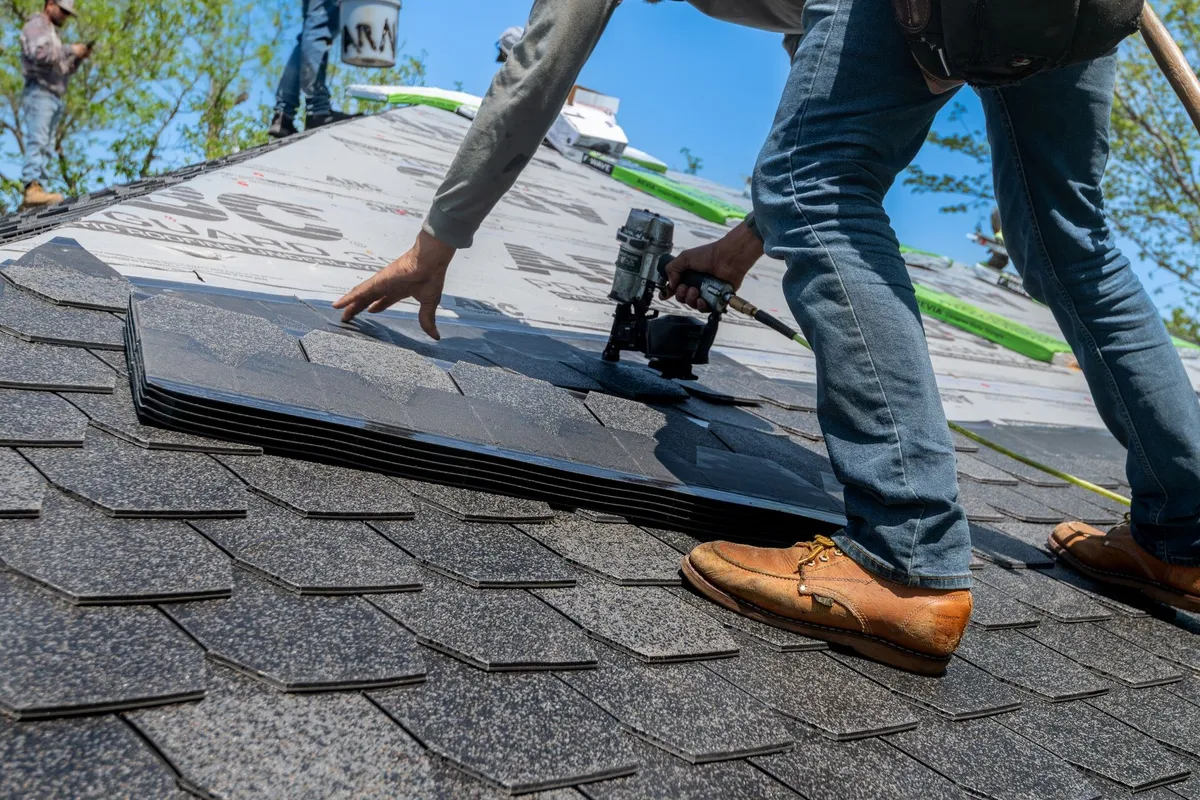
Selecting the appropriate roofing materials is crucial for homeowners in Oceanside. Traditional asphalt shingles may not be the best choice for coastal properties due to their susceptibility to wind damage and moisture retention. Instead, options like clay tiles, metal roofing, or even synthetic materials designed to mimic traditional styles without the drawbacks can be more effective.
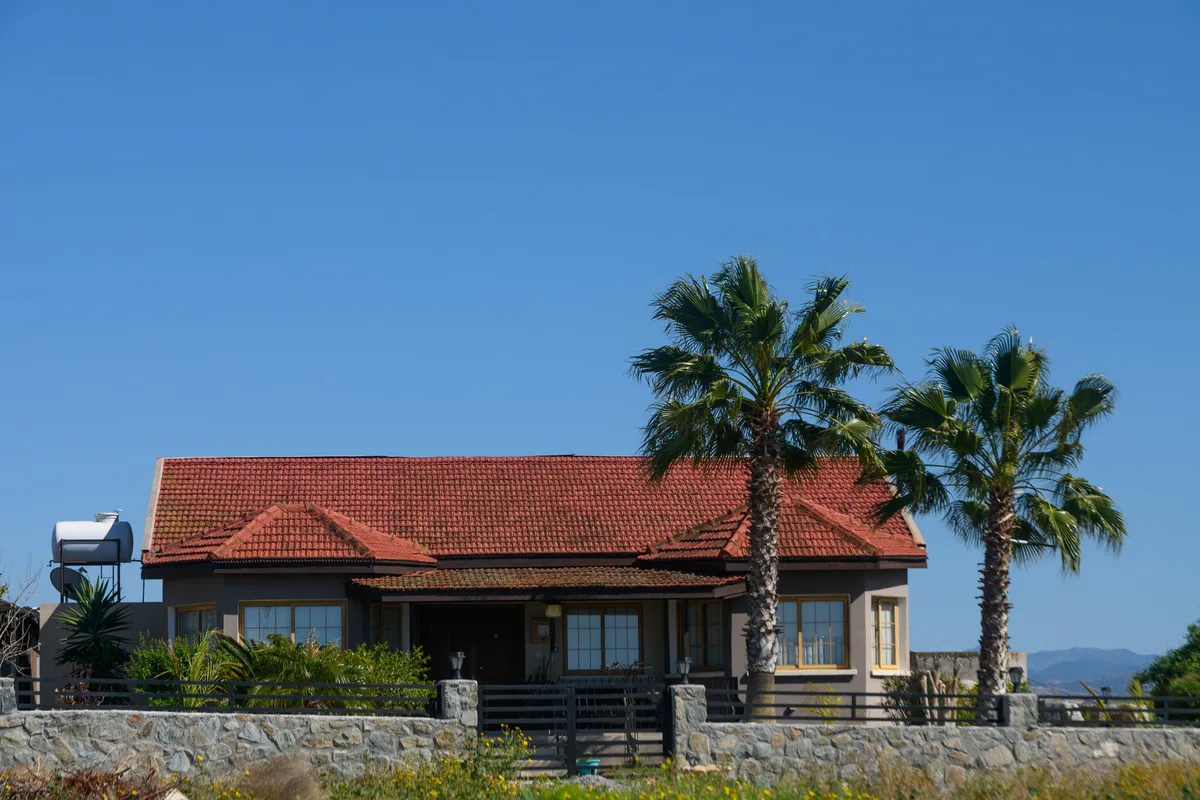
Clay tiles, while heavier and potentially more expensive, provide excellent insulation and can withstand the coastal elements. Metal roofing is lightweight, low maintenance, and highly resistant to both corrosion and wind uplift. It’s essential to consult with experienced professionals who understand the local climate and can recommend materials that will provide longevity and performance.
Regular Maintenance: The Key to Longevity
Regular maintenance is vital for extending the life of your roof, especially in coastal regions. Homeowners should schedule regular inspections to catch any potential issues early on. This can include checking for loose shingles, signs of rust, or debris accumulation that can trap moisture.
Local roofing specialists often emphasize the importance of routine maintenance. Homeowners who take the time to address small repairs can save significantly in the long run by avoiding costly replacements. Additionally, many roofing companies offer maintenance programs tailored to the needs of coastal properties, which can provide peace of mind for homeowners.
Finding Reliable Roofers in Oceanside
With so many options available, finding a trustworthy roofing service in Oceanside can feel overwhelming. Homeowners should look for companies with a solid reputation in the community, positive customer feedback, and a strong understanding of coastal roofing needs.
Engaging with local businesses that specialize in roofing can lead to better service and tailored solutions. Companies that operate in the area often have firsthand experience with the specific challenges posed by the coastal climate and can offer practical advice on maintaining and upgrading roofs to withstand the elements.
For those looking to learn more about local roofing options, exploring the [About Roofing Oceanside](https://roofingoceanside.com/about/) page can provide valuable insights into the services available and the expertise of local contractors.
Frequently Asked Questions
What roofing materials are best for homes near the coast?
For coastal homes, metal roofing, clay tiles, and synthetic materials designed to mimic traditional styles are generally recommended. Metal roofs are particularly advantageous due to their lightweight nature and high resistance to corrosion and wind uplift. Clay tiles, while heavier and potentially pricier, provide excellent insulation and can withstand harsh coastal elements.
How often should I schedule roof inspections for my coastal home?
Homeowners should aim to schedule regular inspections at least twice a year, ideally in the spring and fall. Inspections help catch potential issues early, such as loose shingles or signs of rust, which can save you from costly repairs later. Additionally, after severe weather events, it’s wise to have a professional check for any damage.
What are the signs that my roof needs repair?
Common signs that your roof may require repairs include loose or missing shingles, rust spots on metal roofs, and debris accumulation that traps moisture. Additionally, if you notice leaks or water stains on your ceiling, it’s crucial to address these issues promptly to prevent further damage. Regular maintenance can help catch these problems before they escalate.
Can I use traditional asphalt shingles for my coastal home?
While asphalt shingles are a popular choice in many areas, they may not be the best option for coastal properties due to their susceptibility to wind damage and moisture retention. The harsh coastal environment can lead to premature wear and tear on asphalt shingles, making them less reliable. It’s advisable to consider more durable materials that are better suited for the coastal climate.
How do I find a reliable roofing contractor in Oceanside?
To find a trustworthy roofing contractor, look for companies with a solid reputation in the community and positive customer feedback. Engaging with local businesses that specialize in coastal roofing needs can provide tailored solutions and better service. It’s also helpful to ask for recommendations from neighbors or check online reviews to ensure you’re making an informed choice.
Get Directions to Roofing Oceanside
🎧 Listen to this as a podcast
Also on Apple Podcasts, Spotify, and Amazon Music.