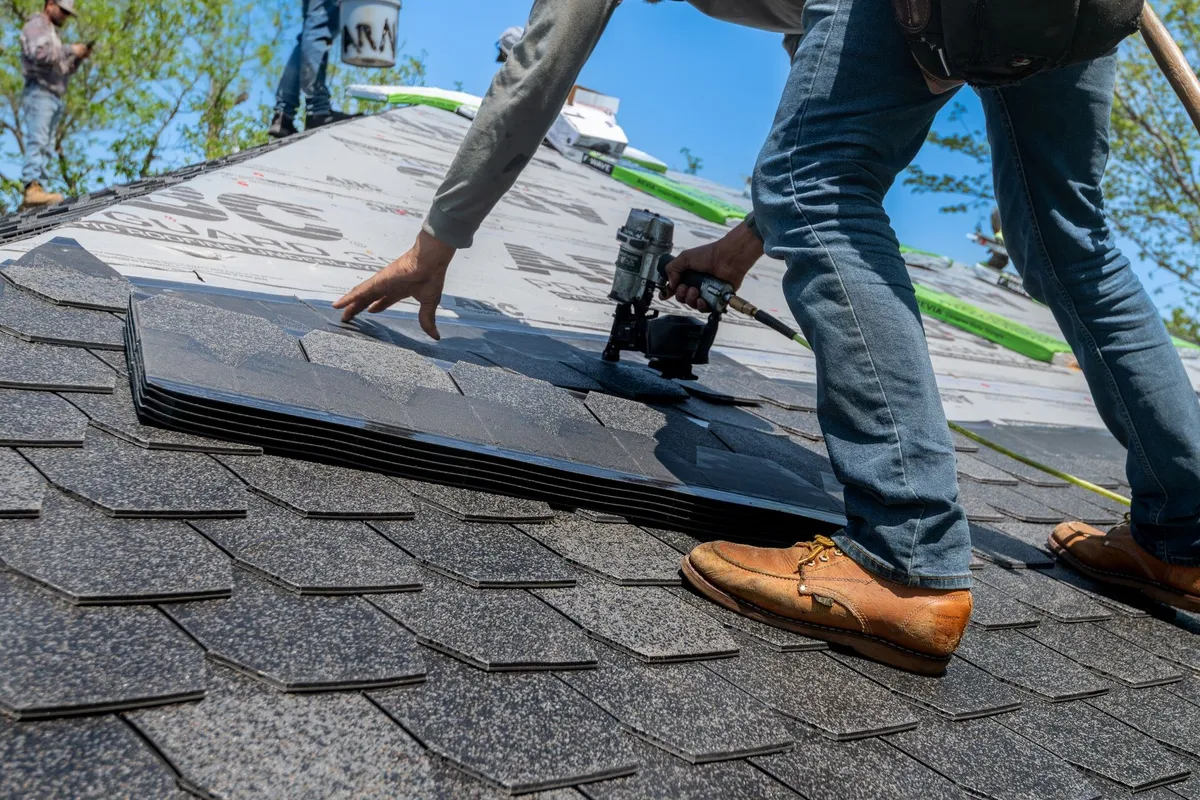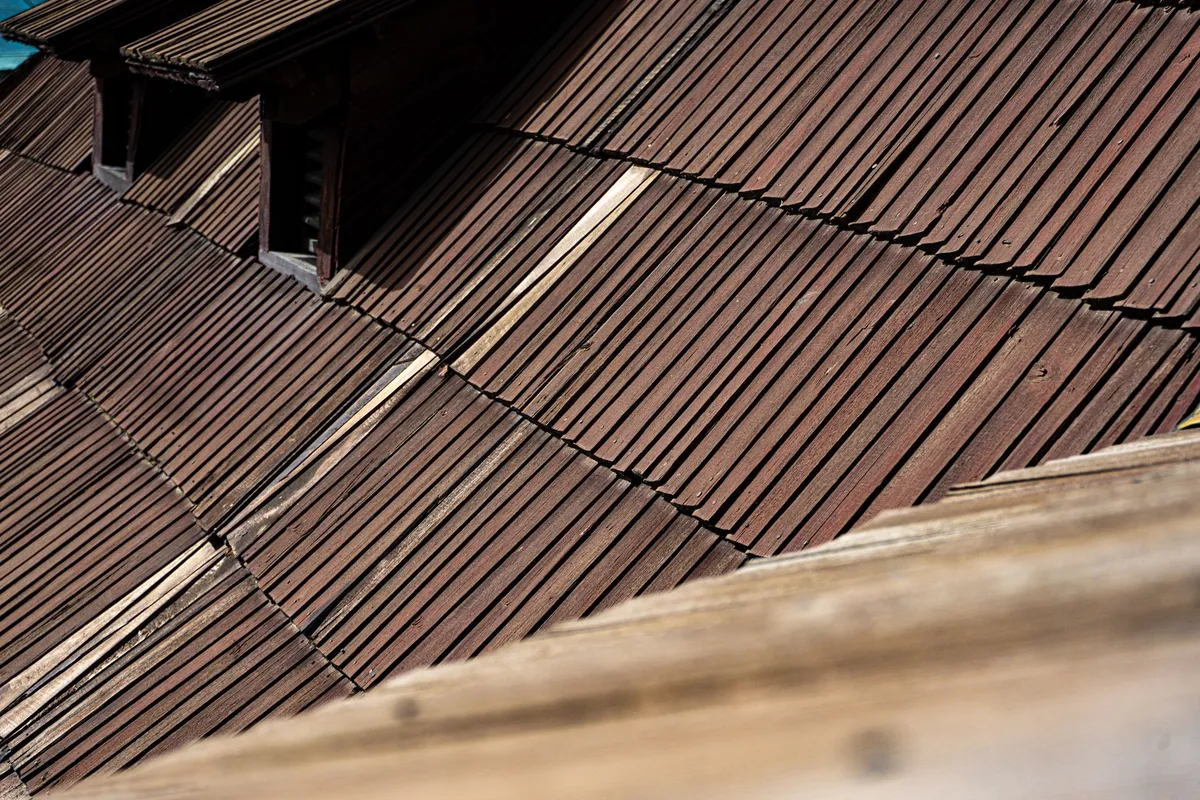
Skipping a written scope of work before a flat roof job starts is one of the fastest ways to lose thousands of dollars. Property owners do it constantly, assuming a verbal agreement or a one-line invoice is enough. It is not. Without a documented scope, disputes over what was included, what membrane was specified, and what the warranty actually covers become impossible to resolve in your favor.
Choosing a Contractor Based on Price Alone
Low bids on flat roofs are almost always low for a reason. A contractor pricing a TPO job at $3.50 per square foot when the market rate is $6.00 to $9.00 is either cutting membrane thickness, skipping insulation layers, or planning to disappear before the punch list is done. Roofing Oceanside sees this pattern repeatedly with commercial property owners in Oceanside, CA who got burned by a bargain bid and are now facing a full tear-off within three years.
The right way to evaluate bids is to compare them line by line. What mil thickness is the TPO or EPDM membrane? Is the insulation board R-value specified? How many plies of modified bitumen are included? If a contractor cannot answer those questions in writing, the bid is not real. It is a placeholder for change orders.
Get at least three bids. Throw out the lowest. Ask the remaining contractors to justify their numbers against the specific materials listed.
Ignoring the Drain and Ponding Water Problem
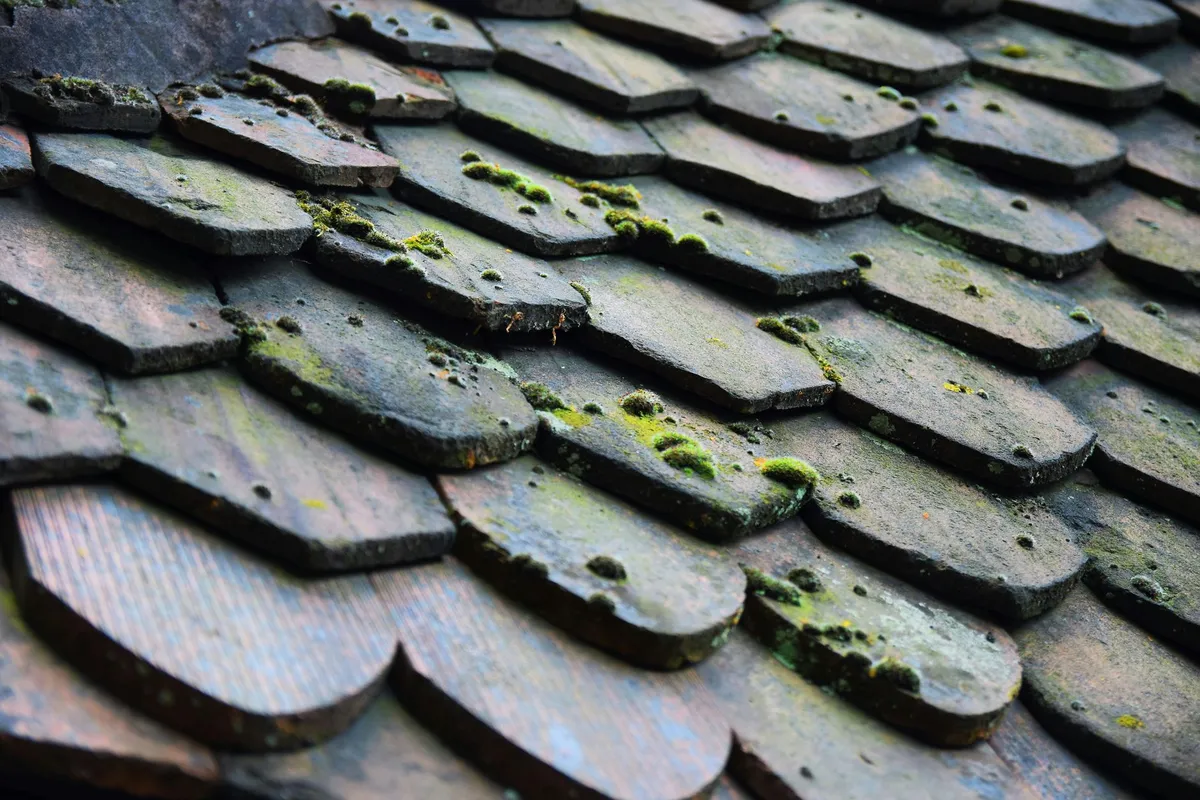
Standing water is the single most destructive force on a low-slope roof. After 48 hours, ponding water stresses seams, accelerates membrane degradation, and adds structural load. On a 10,000 square foot roof, two inches of standing water weighs roughly 52,000 pounds. That is not a minor issue.
Drains get clogged with debris, and interior drains are especially prone to it. Many building owners in the Arrowood area and throughout Oceanside, CA go years without having their roof drains rodded or their scuppers cleared. The result is not just a wet roof. It is delaminated insulation, rusted decking, and ceiling damage below that triggers insurance claims and tenant complaints.
A proper drainage inspection should happen at least twice a year. If your roof was designed with inadequate slope, that is a design defect that needs to be corrected with tapered insulation, not ignored. A professional roof inspection will identify drainage failures before they become structural ones.
Letting Maintenance Lapse Between Major Work
The gap between installation and replacement is where most money gets wasted. Roof coatings crack. Pipe boots split. Flashing at HVAC curbs separates. None of these failures are dramatic. They are small, slow, and invisible until water has traveled ten feet inside the building and soaked the insulation board beneath the membrane.
Roofing Oceanside’s position on this is direct: a maintenance agreement with a qualified roofer costs far less than the emergency repairs that follow neglect. Typical preventive maintenance on a commercial flat roof runs $0.05 to $0.15 per square foot annually. Emergency leak response, by contrast, often starts at $1,500 before any material is touched, and that does not include interior damage remediation.
Document everything. Every repair, every inspection, every coating application should be logged with photos and dates. That record is your evidence when a warranty claim is disputed, and it is what a buyer’s inspector will ask for if you ever sell the building. For urgent situations that do develop, emergency roof repair services in Oceanside, CA are available, but prevention is always cheaper.
Misunderstanding What the Warranty Actually Covers
Manufacturer warranties on roofing membranes are not the same as workmanship warranties. A 20-year NDL (no-dollar-limit) warranty from a manufacturer like Carlisle, Firestone, or GAF covers material defects. It does not cover improper installation. If the contractor who installed your membrane was not an approved applicator for that manufacturer, the warranty is void from day one.
Ask for the manufacturer’s approval documentation before work begins. Ask specifically whether the warranty requires periodic inspections by an approved contractor to remain valid. Many do. Missing one required inspection can void coverage for the remaining term. That is a detail buried in the fine print that property owners in Oceanside, CA discover too late, usually after a major leak.
Workmanship warranties from the contractor are a separate document entirely. Two years is common; five years is better. Read both documents before signing anything. If the contractor cannot produce a manufacturer approval letter, find a contractor who can. The full picture of flat roof options and local considerations is worth understanding before you commit to any system.
Roofing Oceanside connects property owners in Oceanside, CA with experienced, vetted roofing contractors who work on commercial buildings. Reach them at 918 Mission Ave, Suite 200, Oceanside, CA 92054, or call (760) 400-6456 for a referral to a qualified local roofer.
Frequently Asked Questions
What should I include in a written scope of work for a roofing project?
Your written scope should detail all aspects of the job, including the specific materials to be used, the membrane type, and the warranty coverage. This documentation is crucial for resolving any disputes and ensuring that both you and the contractor are on the same page.
How can I evaluate roofing bids effectively?
To evaluate bids, compare them line by line on key factors like membrane thickness, insulation R-value, and the number of plies included. Disregard the lowest bid, as it often indicates cost-cutting measures that could lead to future problems.
What are the risks of ignoring ponding water on my roof?
Ignoring ponding water can lead to significant structural damage, including delaminated insulation and rusted decking. Standing water adds weight and stresses seams, which can accelerate membrane degradation, ultimately leading to costly repairs.
What should I know about warranties before hiring a contractor?
Understand that manufacturer warranties cover material defects, while workmanship warranties cover installation quality. Make sure the contractor is an approved applicator and check if periodic inspections are required to maintain warranty coverage.
Get Directions to Roofing Oceanside
🎧 Listen to this as a podcast
Also on Apple Podcasts, Spotify, and Amazon Music.