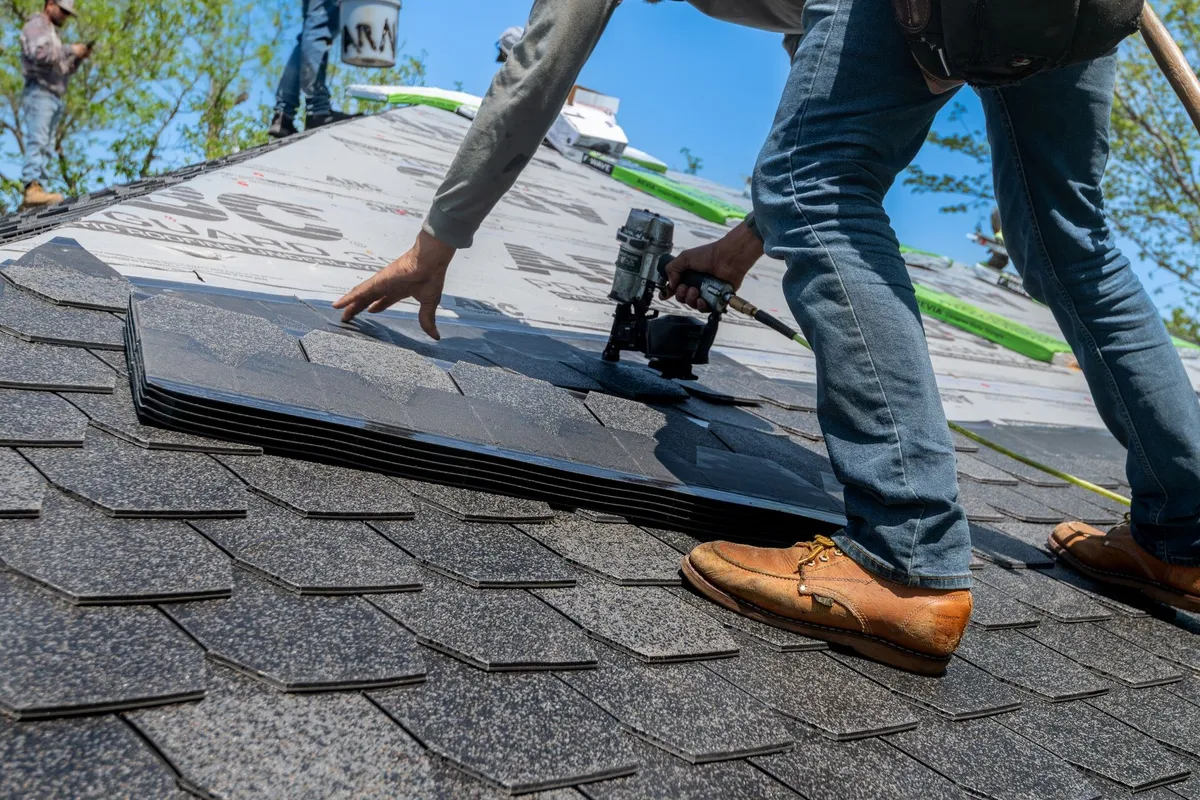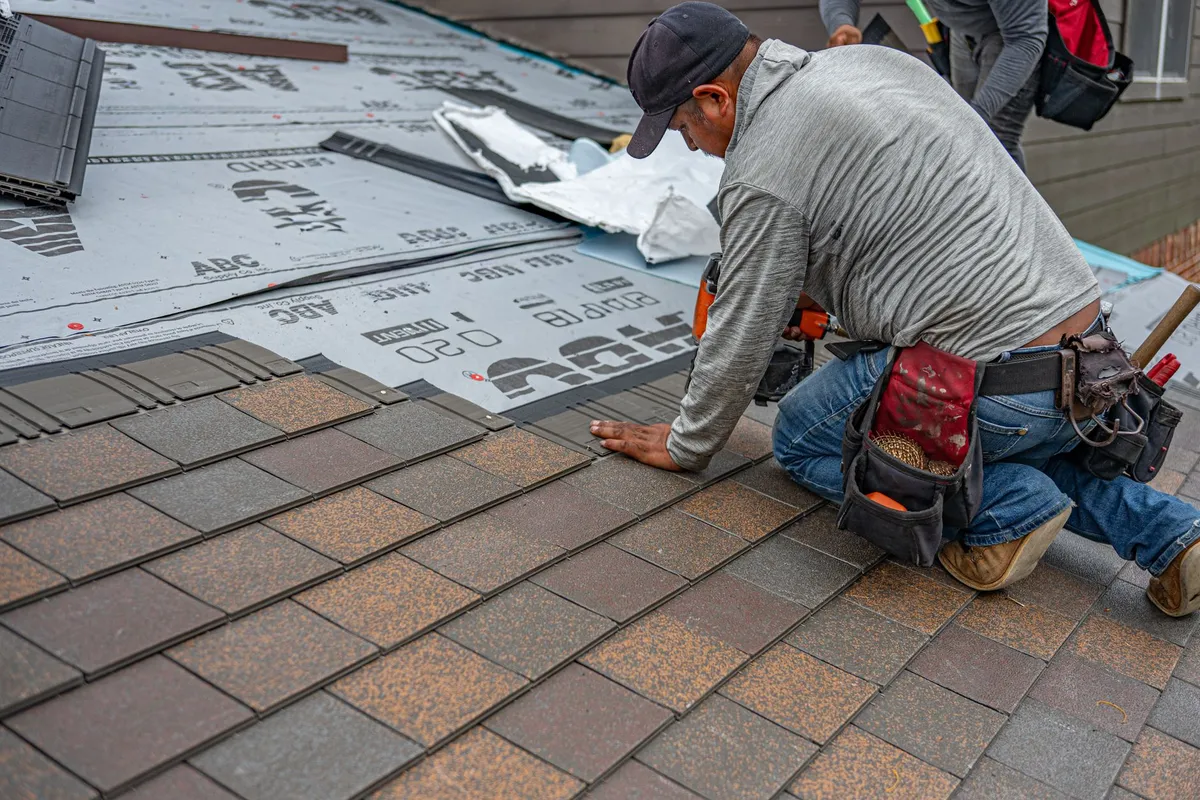
The layer of material between your roof deck and your shingles or tiles does more quiet work than most homeowners ever realize. It blocks wind-driven moisture, buffers temperature swings, and gives the roof system a secondary line of defense when the outer surface takes a hit. When that layer fails, water finds its way to wood, and wood rot follows faster than most people expect. What surprises many customers is how differently this job plays out from one property to the next. The pitch of the roof, the age of the deck underneath, the type of finish material on top, and the condition of the existing underlayment all change the scope, the cost, and the time required to do the work correctly.
What Actually Drives the Price Up or Down
A straightforward case looks like this: a single-story home with a moderate pitch, no more than one or two roof planes, asphalt shingles that lift cleanly, and a deck that comes up solid when a roofer walks it. In that situation, the job moves efficiently. Labor is the dominant cost, materials are predictable, and there are few surprises once the shingles are off.
Complicated cases are a different matter. Steep pitches above 6:12 require additional safety rigging, which adds labor hours before a single square foot of material is touched. Tile roofs, common in parts of Peacock Hills and throughout Oceanside, CA, require careful removal and reinstallation of individual tiles, many of which crack during handling even when a crew is experienced. That breakage rate has to be priced in honestly, and any contractor who quotes a tile job without accounting for it is either guessing or hiding the cost for later.
Deck condition is where estimates most often go sideways. Roofers cannot see what is underneath until the old material comes off. Soft spots, delaminated plywood, or boards that have taken repeated moisture cycles may need partial or full replacement before new underlayment goes down. A reputable provider will write a clear allowance for deck repair into the contract rather than treating it as a surprise add-on.
Material choice also shifts the number. Synthetic underlayments cost more per square than traditional felt but are lighter, more tear-resistant, and easier to work with on complex roof shapes. For a tile or metal finish, a heavier-duty product is typically required by the manufacturer to keep the warranty valid. Skipping the spec to save money usually voids the coverage that makes the whole job worth doing.
The Mistakes That Make a Simple Job Hard
One of the most common errors Roofing Oceanside sees is a homeowner who waits. A small leak gets attributed to a missing shingle or a failed flashing, a patch gets applied, and the underlying problem stays hidden. By the time the underlayment is finally pulled, the deck has absorbed enough moisture to require significant board replacement. What could have been a contained job becomes a much larger one, and the cost difference is real.
Another frequent issue is layering. Some older homes in the Oceanside area have had shingles installed over existing shingles more than once. When the underlayment finally needs attention, the crew has to remove multiple layers before reaching the deck, which adds disposal costs, labor time, and occasionally reveals deck damage that the extra weight of those layers accelerated. California building code limits the number of shingle layers allowed, so a full tear-off is often required regardless.
Customers also sometimes underestimate access. A property on a narrow lot, or one with mature landscaping close to the roofline, can restrict where a crew sets ladders and where a dumpster gets placed. Those logistics affect scheduling and sometimes cost. It is worth mentioning any access constraints when getting a quote so the scope reflects reality from the start.
How a Good Provider Adjusts Without Cutting Corners
Adapting to a specific situation is not about finding shortcuts. It is about sequencing the work correctly, having the right materials staged before the old ones come off, and knowing when to stop and reassess rather than pushing through a problem that needs a different solution.
On a tile roof, for example, the tiles removed during underlayment work need to be stored carefully, labeled by section where possible, and reinstalled in an order that avoids walking on freshly set material. That takes planning, not just muscle. On a low-slope section of roof, the underlayment spec changes entirely, and the installation method may shift to a fully adhered system rather than mechanically fastened. Roofing Oceanside notes that low-slope and flat sections catch many customers off guard because the product and the process look nothing like what they imagined.
For properties near the coast, including those in Peacock Hills and along corridors that see consistent marine air off the Pacific, the long-term performance of any roofing material is influenced by salt exposure and humidity. Those conditions do not change the underlayment installation process, but they do reinforce why quality of material and quality of installation matter more than the lowest bid. A professional roof inspection before the work begins gives a clearer picture of what is actually underneath and what the job will realistically involve. If the scope of work turns out to be larger than expected, a full assessment helps homeowners understand whether targeted repair or a broader roof replacement makes more financial sense at that point.
What to Ask Before the Work Starts
Before any crew pulls the first shingle, a customer should have clear answers to a few specific questions. What underlayment product is being used, and is it compatible with the finish material? How is deck damage priced, and what triggers additional charges? Who handles the permit, and is one required for this scope of work in Oceanside? What is the plan if rain is forecast mid-job?
That last question matters more than it might seem. An exposed deck with no underlayment is vulnerable. A provider who has done this work consistently will have a clear protocol for temporary protection and will not leave a homeowner in a bad position because the schedule slipped.
Getting specific answers, in writing, before the job starts is the single most useful thing a customer can do to protect themselves and the outcome of the work.
Roofing Oceanside serves Peacock Hills and the broader Oceanside, CA area as a referral resource for homeowners working through exactly these kinds of decisions. If you have questions about what your specific situation involves, they can be reached at 918 Mission Ave, Suite 200, Oceanside, CA 92054, (760) 400-6456.
Frequently Asked Questions
What factors can affect the cost of my roofing project?
The cost can vary based on the pitch of your roof, the age and condition of the deck underneath, and the type of finish material being used. Complicated cases like tile roofs or steep pitches may require additional labor and safety measures, which can drive costs up significantly.
What should I do to prepare for a roofing project?
Before starting, it’s important to assess access to your roof, as narrow lots or mature landscaping can restrict where ladders and dumpsters are placed. Additionally, getting a professional roof inspection can help clarify the actual condition of your roof and what the job will entail.
What common mistakes should I avoid when dealing with roofing issues?
A frequent mistake is waiting too long to address leaks, which can lead to significant deck damage and higher repair costs. Another issue is layering, where multiple shingle layers make it difficult to assess the deck’s condition and can add to disposal and labor costs.
What questions should I ask before starting my roofing project?
It’s essential to ask about the type of underlayment product being used and its compatibility with your finish material. Additionally, clarify how deck damage is priced, who handles any necessary permits, and what the plan is in case of rain during the project.
Get Directions to Roofing Oceanside
🎧 Listen to this as a podcast
Also on Apple Podcasts, Spotify, and Amazon Music.